
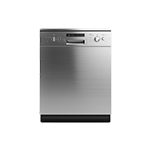
Dishwasher Repair in Northern Virginia & Maryland

Don’t let a broken dishwasher leave you scrubbing by hand—we repair all makes and models across Virginia and Southern Maryland.

ABOUT

Dishes Still Dirty? We Fix Dishwashers Fast for Virginia & Maryland Homes

When your dishwasher stops draining, leaves dishes dirty, starts leaking, or refuses to turn on, the impact on your daily routine is immediate. Home Appliance Care provides professional dishwasher repair across Northern Virginia, Southern Maryland, and Washington DC — with upfront flat-rate pricing, accurate diagnosis, and no unnecessary part replacements.

Dishwashers rely on multiple systems working together: drain pumps, spray arms, water inlet valves, float switches, heating elements, filtration systems, and electronic controls. When one component fails, the whole appliance suffers. Our technicians identify the root cause — not just the visible symptom — so the repair lasts.

Early Warning Signs Your Dishwasher Needs Repair

Most dishwasher failures give you warning before they become serious. Catching these early usually means a simpler, less expensive repair:

Any of these points to a specific system fault. Left unaddressed, most will worsen — and what starts as a clogged filter or worn door seal can escalate into drain pump failure or water damage to your cabinetry.

PROBLEMS

Dishwasher Problems We Diagnose & Repair

Most dishwasher repair requests fall into repeatable mechanical and electrical failure patterns—from clogged pumps and failed heating elements to faulty control boards and worn door seals. Understanding these helps explain why your dishwasher stops cleaning, draining, or starting, and whether it can be repaired safely.

Dishwasher Not Draining

Standing water inside the dishwasher after a cycle is one of the most common faults we repair across Fairfax, Arlington, and Alexandria. It means the drain system has failed at some point — whether that is a blocked filter, a clogged drain hose, or a drain pump that has seized or burned out.


Common causes:

  • Blocked or failed drain pump — often caused by food debris, glass fragments, or grease buildup
  • Clogged drain hose restricting water flow out of the appliance
  • Blocked dishwasher filter preventing water from reaching the pump
  • Drain hose connected too high or kinked, creating an airlock

Standing water should be repaired promptly — prolonged water retention causes odours, mold growth, and puts strain on the pump motor.

Dishwasher Not Cleaning Dishes Properly

A dishwasher that runs a full cycle but leaves dishes dirty or greasy is usually suffering from a water circulation or spray system fault. This is particularly common in hard-water areas like much of Northern Virginia, where mineral deposits block spray arm openings over time.


Common causes:

  • Blocked spray arms with clogged water jets — most common cause of poor cleaning
  • Worn or failed wash pump providing insufficient water pressure
  • Clogged filtration system reducing water flow throughout the cycle
  • Detergent dispenser not opening at the right point in the cycle
  • Water inlet valve fault causing the dishwasher to underfill

Dishwasher Leaking Water

A leaking dishwasher needs attention straight away — even a slow leak can cause significant damage to kitchen cabinets, flooring, and subflooring over time. The repair needed depends entirely on where the leak is coming from, which is why accurate diagnosis matters.


Common leak sources:

  • Worn or damaged door gasket — the rubber seal around the door edge
  • Cracked or loose drain hose at connection points under the sink
  • Failing water inlet valve allowing water to seep through when closed
  • Internal tub seal or pump housing crack causing water to escape below the appliance
  • Detergent buildup causing excessive overflow

Dishwasher Not Starting

A dishwasher that shows no response when you press start is usually an electrical or door-related fault rather than a mechanical one — which means it is often more affordable to fix than it looks.


Common causes:

  • Door latch not engaging properly — the dishwasher will not start unless the door is confirmed closed
  • Tripped circuit breaker or faulty power supply to the appliance
  • Control board malfunction preventing the cycle from initiating
  • Faulty user interface or button panel not registering inputs
  • Thermal fuse blown due to overheating

Dishwasher Not Filling With Water

If the dishwasher starts but does not fill with water, no cleaning can take place. This is almost always a water supply or valve fault and is typically straightforward to diagnose.


Common causes:

  • Failed water inlet valve — the most common cause, prevents water entering the appliance
  • Float switch stuck in the raised position, telling the dishwasher it is already full
  • Kinked or restricted water supply hose
  • Low water pressure in the supply line

Dishwasher Not Drying Dishes

Wet dishes after a complete cycle are frustrating and often indicate a fault in the heating or ventilation system. This is more common in older dishwashers but can occur at any age.


Common causes:

  • Failed heating element — most common cause, responsible for both wash temperature and drying
  • Thermostat fault causing incorrect temperature regulation
  • Vent or fan assembly not opening to release steam during the drying cycle
  • Rinse aid dispenser empty or faulty — rinse aid significantly improves drying performance

Dishwasher Making Loud or Unusual Noises

Some operational noise is normal, but grinding, rattling, buzzing, or banging during a cycle usually indicates a mechanical fault that will worsen over time.

Common causes:

  • Foreign object — a utensil, bottle cap, or glass fragment — caught in the pump or spray arm
  • Worn wash pump bearings producing a grinding or humming sound
  • Spray arm hitting dishes or the rack during rotation
  • Failing drain pump producing buzzing or rattling at the end of cycles

Dishwasher Stopping Mid-Cycle

A dishwasher that shuts down before completing a cycle leaves dishes unwashed and water potentially sitting inside. This is usually a sensor, control, or power fault.


Common causes:

  • Control board fault causing the cycle management system to fail partway through
  • Overheating protection triggering a shutdown due to motor or element strain
  • Water supply interruption stopping the cycle from progressing
  • Door latch losing contact mid-cycle, triggering a safety stop

Dishwasher Displaying Error Codes

Modern dishwashers use onboard diagnostics to flag faults with error codes. These codes point directly to the system that has failed — water supply, drainage, heating, sensors, or electronics — and make accurate diagnosis significantly faster.


We interpret error codes across all major brands and use them as a starting point for our inspection rather than guessing at symptoms.

Why Dishwashers Fail — Technical Overview

Most dishwasher failures come down to one of five system faults. Understanding these helps homeowners recognize the early signs and avoid letting a small problem become an expensive one.

Drain System Failure

The drain pump removes wastewater at the end of every cycle. Pumps fail from debris obstruction, bearing wear, or motor burnout. Filters that are never cleaned accelerate pump wear by forcing it to work harder against restricted flow. This is the most common category of dishwasher fault we see across Arlington, Alexandria, and McLean.

Water Circulation Failure

The wash pump and motor circulate water through the spray arms at pressure. As pumps wear and spray arm jets clog with mineral deposits, water pressure drops and cleaning performance suffers. Hard water areas accelerate this process significantly.

Water Inlet and Fill Problems

The water inlet valve opens and closes electronically to control fill levels. Float switches monitor the water level inside the tub. When either fails, the dishwasher may not fill at all, overfill, or stop mid-cycle.

Heating Element and Drying System Failure

The heating element raises wash water to the correct temperature and provides heat for drying. Elements fail gradually — you may first notice poor drying before the element stops functioning entirely. Thermostat faults can cause the element to overheat and burn out prematurely.

Electronic Control Board Failure

The control board coordinates every stage of the dishwasher cycle — fill, wash, drain, dry. Board failures from power surges, moisture damage, or age can cause anything from random cycle interruptions to complete appliance shutdown. Because board faults mimic many other symptoms, they require careful diagnosis before replacement.

THE DEBATE

Should You Repair or Replace Your Dishwasher?

The right answer depends on the appliance age, fault type, and repair cost relative to replacement. Here is our honest guidance:

  • The fault is a single replaceable component — drain pump, spray arm, inlet valve, door latch, heating element
  • The dishwasher is under 8 years old
  • The repair cost is less than 50% of a comparable new unit
  • The tub, door frame, and rack systems are structurally sound
  • The control board has failed repeatedly — often signals broader electrical degradation
  • The tub has cracked or developed structural damage
  • The appliance is over 12 years old with multiple failing components
  • Repair costs exceed half the price of a new equivalent model

We give you a straight answer at every visit. If replacement is the better option financially, we will tell you before doing any repair work — and we can advise on the right replacement unit for your kitchen and usage level.

~50%

faster appliance

repairs

Our industry-trained technicians diagnose and fix issues 50% faster — so your appliance is back to normal the same day.

~70%

fewer second

visits

We carry most replacement parts in our vans, eliminating 70% of second visits and getting your appliance fixed in a single appointment.

“It’s important for us that we help return household functionality back to normal quickly.”

Team Home Appliance Care

Differences

Types of Dishwashers We Service

The type of dishwasher you have affects both the likely failure points and the repair approach. Here is what to know:

Built-In Dishwashers

The most common residential type, installed permanently under the kitchen counter. Built-in units are prone to drain pump failures, door seal wear, and heating element degradation over time. We service all major built-in configurations across Northern Virginia and Southern Maryland.

Top-Control Dishwashers

Controls are hidden along the top edge of the door for a cleaner look. These models can develop issues with touch control panels, sensor interfaces, and cycle selection systems — particularly as electronic components age.

Front-Control Dishwashers

Controls are on the exterior face of the door. Common repairs involve button and dial failures, door latch misalignment, and user interface faults that prevent cycles from starting or completing.

Portable Dishwashers

Freestanding units that connect to the kitchen tap. Because they rely on temporary water connections, portable dishwashers are more prone to hose connection leaks, water supply flow issues, and drain system blockages.

Drawer Dishwashers

Single or double drawer units require specialised diagnosis due to their unique sealing, drainage, and mechanical systems. Fisher & Paykel drawer models are the most common we service in this category.

Smart Dishwashers

Wi-Fi connected models from Samsung, LG, and Bosch introduce sophisticated electronics alongside standard mechanical components. Sensor errors, connectivity faults, and app-triggered cycle issues are all within our diagnostic scope.

Reviews

What Our Clients Say

We service all major dishwasher brands found in homes across Northern Virginia, Southern Maryland, and Washington DC.

Our stack

REPAIR PROCESS

Our Freezer Repair Process

A structured inspection is essential for accurate freezer repair. 

Step 01
Symptom Review & Water Supply Inspection

When you book, we ask detailed questions about what your dishwasher is doing—so we arrive with the right diagnostic tools and likely replacement parts. We then check that the water inlet valve is functioning, the supply hose is clear, and the float switch is registering water levels correctly.

Step 02
Drain System, Spray Arm & Circulation Testing

We test pump operation, inspect the drain hose for kinks or blockages, and check the filter and sump area for debris. We also test wash pump pressure and inspect spray arm jets for mineral or debris blockage that affects water distribution.

Step 03
Heating, Drying & Electronic System Evaluation

We test the heating element, thermostat, and ventilation components to confirm proper wash temperature and drying function. We also review the control board, door latch, user interface, and any error codes to identify electrical or sensor faults.

Step 04
Flat-Rate Quote

Before any repair begins, you receive a clear upfront price—no hourly billing and no surprise charges.

Step 05
Repair & Full Cycle Test

We complete the repair using manufacturer-compatible parts and run a complete wash cycle to confirm proper fill, circulation, drainage, and drying performance before we leave.

Prefer to talk to a technician first?

Service Areas

Areas We Service

Home Appliance Care provides in-home dishwasher repair across Northern Virginia, Southern Maryland, and Washington DC. Our full service area by location and zip code:

View Full List of Service Areas & ZIP Codes
County City / Area ZIP Codes
Fairfax County, VA Alexandria 22301, 22303, 22304, 22306, 22307, 22308, 22309, 22310, 22312, 22314, 22315
Annandale22003
Arlington22201, 22202, 22203, 22204, 22205, 22206, 22207, 22209, 22213
Burke22015
Fairfax22030, 22031, 22032
Fairfax Station22039
Falls Church22041, 22042, 22043, 22044, 22046
Lorton22079
McLean22101, 22102
Springfield22150, 22151, 22152, 22153
Prince William County, VA Woodbridge 22191, 22192, 22193, 22194, 22195
Manassas 20109, 20110, 20111, 20112
Maryland Southern Maryland 20744, 20745, 20748, 20735, 20601, 20602

FAQ

Key Questions

We’re happy to help. Reach out to discuss your needs, challenges, and how we can help resolve your home appliance issues.

The most common causes are a blocked drain pump, a clogged filter, or a kinked drain hose. Food particles, glass fragments, and grease can all accumulate in the drain pump and filter over time, eventually stopping water from exiting the tub. If you hear the pump running but water is not leaving, the pump is likely obstructed rather than failed. If there is no pump sound at all, the motor may have burned out and will need replacement.

Poor cleaning is almost always a water circulation or spray system problem. The most frequent cause is blocked spray arm jets — mineral deposits and food particles clog the small openings over time, reducing water pressure and coverage. A clogged filter restricting water flow, a failing wash pump, or a detergent dispenser not opening at the right time in the cycle can all produce the same result. Hard water areas like much of Northern Virginia accelerate spray arm and filter blockage significantly.

The location of the leak tells us a lot about the cause. Water appearing at the front of the dishwasher usually indicates a worn door gasket — the rubber seal around the door edge deteriorates over time and allows water to escape during the cycle. Water underneath the appliance more often points to a drain hose connection, inlet valve, or internal pump seal. Excessive suds creation from using the wrong detergent can also cause overflow. Any leak should be investigated promptly to avoid cabinet and floor damage.

The most common reason is a door latch that is not engaging fully — dishwashers have a safety interlock that prevents operation unless the door is confirmed closed. Beyond that, a tripped circuit breaker, a blown thermal fuse, or a control board fault can all prevent startup. If the display is lit but nothing happens when you press start, the issue is usually the door latch or control panel. If there is no power at all, check the circuit breaker first before calling a technician.

A dishwasher that starts a cycle but does not fill almost always has a failed water inlet valve. This valve opens electronically to allow water in and closes again when the correct level is reached. When the valve fails, no water enters regardless of how the cycle is set. A float switch stuck in the raised position can produce the same symptom by incorrectly signaling that the tub is already full. Both are straightforward repairs.

The most common cause is a failed heating element — the element heats the air inside the tub to evaporate moisture from dishes. When it fails, dishes remain wet even after a full drying cycle. Empty or failed rinse aid dispenser is also a very common cause that is often overlooked — rinse aid reduces water surface tension and dramatically improves drying performance. A ventilation fan or vent assembly not opening to release steam is another possible cause in models that use fan-assisted drying.

For dishwashers under 8 years old, repair is almost always more cost-effective than replacement — particularly when the fault is a single component like a pump, heating element, spray arm, or door latch. The calculation changes for older appliances where multiple systems are starting to fail simultaneously, or where the repair cost approaches half the price of a new equivalent model. We give you an honest assessment at every diagnostic visit so you can make an informed decision.

Most residential dishwashers last between 9 and 12 years with regular use and basic maintenance. Bosch and Miele models tend to last longer due to build quality, while budget-range models may show component wear earlier. Annual filter cleaning, keeping the door gasket clean and dry, and using the correct detergent type all extend lifespan considerably.

Persistent odors almost always come from food debris trapped in the filter or sump area, mold growing on the door gasket, or stagnant water sitting in the drain system between cycles. Front-loading dishwashers are more prone to gasket mold because the door seal stays damp. Regular filter cleaning helps, but if the drain system is not fully clearing water after each cycle, the smell will keep returning until the underlying drainage fault is repaired.

Error codes are the dishwasher’s built-in diagnostic system flagging a specific fault. Different codes indicate different system failures — water supply, drainage, heating, sensor, or electronics. The specific code meaning varies by brand: a Bosch E24 indicates a drain fault, while a Samsung LC code signals a leak. We use error codes as a starting point for diagnosis rather than a definitive answer, since the same code can sometimes have multiple underlying causes.

Mid-cycle stops are usually caused by a control board fault, a door latch losing contact during operation, or an overheating protection system triggering a shutdown. If the dishwasher stops consistently at the same point in the cycle, it usually points to a sensor or control issue at that specific stage. If it stops randomly, a door latch or power supply fault is more likely. We check all these systems as part of our standard diagnostic inspection.

We’re happy to help. Reach out to discuss your needs, challenges, and how we can help resolve your home appliance issues.

Prefer to talk to a technician first?