
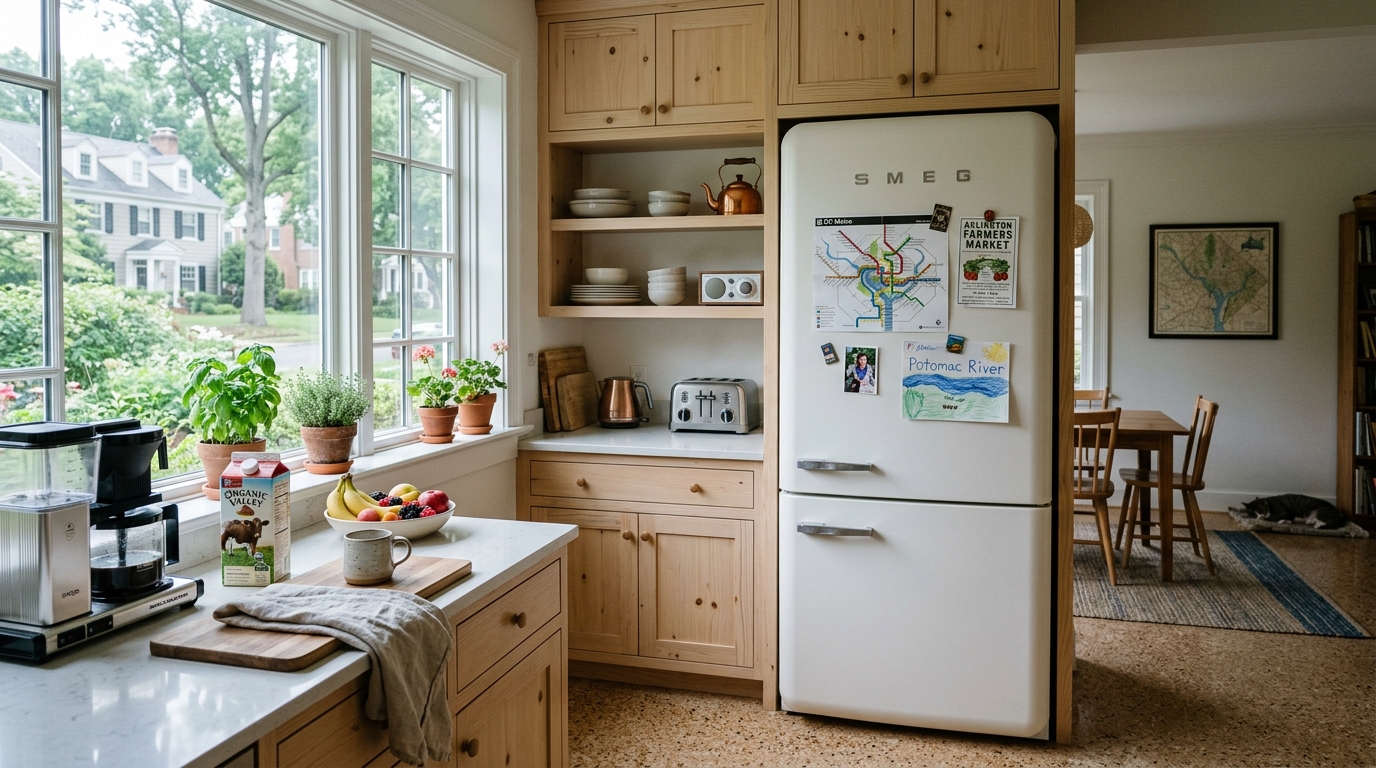
Your refrigerator is one of the hardest-working appliances in your home. It runs around the clock to keep fresh food safe, beverages cold, and frozen items at the proper temperature. When it suddenly stops getting cold enough, it can quickly turn into a stressful situation. Milk spoils, vegetables wilt, leftovers become unsafe to eat, and expensive groceries may end up in the trash.
The good news is that a refrigerator that is not getting cold enough does not always mean you need a new appliance. In many cases, the problem can be traced to something relatively simple, such as blocked airflow, dirty condenser coils, incorrect temperature settings, or a worn door gasket. Other times, the issue involves internal components like the evaporator fan motor, compressor, thermistor, or defrost system, which require professional attention.
Understanding what causes cooling problems can help you determine whether the issue is something you can safely check yourself or whether it is time to schedule a refrigerator repair. At Home Appliance Care, we help homeowners throughout Virginia diagnose and repair refrigerator problems every day. This guide explains the most common causes in clear, everyday language so you can make an informed decision before food starts spoiling.
Why Is My Refrigerator Not Getting Cold Enough?
If your refrigerator is running but not keeping food cold, there is usually a problem somewhere in the cooling system. Modern refrigerators rely on several components working together to maintain a steady temperature. If just one of these parts begins to fail, cooling performance can drop noticeably.
The most common reasons include:
- Dirty condenser coils
- Blocked air vents
- Incorrect temperature settings
- Damaged door gasket
- Faulty evaporator fan motor
- Malfunctioning thermostat or thermistor
- Defrost system failure
- Weak compressor
- Refrigerant leak
- Poor airflow around the refrigerator
Fortunately, many of these issues can be identified with a simple inspection before scheduling a repair appointment.
Start With the Temperature Settings
It may sound obvious, but checking the temperature settings should always be your first step.
Many service calls begin with nothing more than an accidentally changed control setting. Someone cleaning the shelves, putting away groceries, or even a curious child may have adjusted the dial without realizing it.
For best food safety, the refrigerator compartment should stay between 35°F and 38°F, while the freezer should remain close to 0°F.
If your refrigerator has a digital display, verify that the temperature has not been raised. Older refrigerators often use a numbered control instead of actual temperatures. In those cases, moving the dial slightly colder and allowing 24 hours for the appliance to stabilize may restore normal cooling.
Avoid making repeated adjustments within a short period. Refrigerators need time to respond to temperature changes.
Blocked Air Vents Can Prevent Proper Cooling
One of the simplest yet most overlooked problems is restricted airflow.
Cold air is produced in the freezer compartment and distributed throughout the refrigerator by the evaporator fan motor. Small vents inside the refrigerator allow this chilled air to circulate evenly across every shelf.
When large food containers, grocery bags, or leftovers block these vents, cold air cannot move properly. The refrigerator may feel cool near the vents but noticeably warmer in other areas.
Proper airflow is essential for consistent cooling.
To improve circulation:
- Leave a small space between food containers.
- Avoid pressing items directly against the back wall.
- Do not overload shelves.
- Keep vents completely unobstructed.
Many homeowners notice immediate improvement simply by reorganizing the refrigerator.
Dirty Condenser Coils Force the Refrigerator to Work Harder
Behind or underneath your refrigerator are the condenser coils, which release heat collected from inside the appliance.
Over time, these coils collect dust, pet hair, lint, and household debris. As buildup increases, the refrigerator loses its ability to release heat efficiently. The compressor then runs longer, consumes more electricity, and struggles to maintain proper cooling temperatures.
Signs of dirty condenser coils include:
- Refrigerator running almost constantly
- Warm cabinet sides
- Higher energy bills
- Food not staying cold
- Reduced cooling during hot weather
Cleaning condenser coils every six to twelve months is one of the easiest ways to improve performance and extend appliance life.
Always unplug the refrigerator before cleaning. Use a soft brush or vacuum attachment designed for appliance maintenance to remove accumulated dust without damaging the coils.
Check the Door Gasket Carefully
The rubber seal around your refrigerator door, known as the door gasket, plays a much bigger role than many homeowners realize.
Its job is simple: keep cold air inside while preventing warm kitchen air from entering.
Even a small gap can allow warm air to leak into the refrigerator continuously. The compressor then works overtime trying to compensate, often without success.
Inspect the gasket for:
- Cracks
- Tears
- Warping
- Loose sections
- Food residue
- Mold buildup
An easy way to test the seal is with a dollar bill.
Close the refrigerator door on the bill and gently pull it. If it slides out easily without resistance, the gasket may no longer be sealing properly.
Cleaning the gasket with warm water and mild soap often restores flexibility. However, if the rubber has become brittle or damaged, replacement is usually the best solution.
Overloading the Refrigerator Reduces Cooling Performance
It is natural to fill the refrigerator after a grocery trip, but packing it too tightly limits airflow.
Cold air needs room to circulate around food items. When shelves become overcrowded, certain sections receive very little airflow, creating warm spots inside the refrigerator.
Ironically, keeping the refrigerator almost empty can also reduce efficiency.
Food and beverages help stabilize internal temperatures by acting as thermal mass. A nearly empty refrigerator loses cold air more quickly every time the door opens.
The ideal refrigerator is approximately two-thirds full, leaving enough open space for air circulation while maintaining stable temperatures.
Warm Kitchen Temperatures Can Affect Refrigerator Performance
During Virginia’s warmer months, refrigerators naturally work harder.
If your appliance sits near an oven, dishwasher, direct sunlight, or heating vent, surrounding temperatures may force the compressor to run almost continuously.
Make sure your refrigerator has several inches of clearance around the back and sides for proper ventilation.
Poor airflow behind the appliance traps heat, reducing cooling efficiency and increasing wear on the compressor.
Simple placement adjustments can significantly improve overall performance while reducing energy consumption.
Listen for Unusual Sounds
Your refrigerator communicates more than most homeowners realize.
Pay attention to sounds such as:
- Constant clicking
- Loud buzzing
- Repeated humming
- Grinding noises
- Fan scraping sounds
Different noises often point toward different components.
For example, repeated clicking may indicate a failing start relay, while loud humming could suggest the compressor is struggling to start. Scraping noises often indicate ice buildup interfering with the evaporator fan blade.
These symptoms usually require professional diagnosis before additional damage occurs.
A Faulty Evaporator Fan Can Leave Your Refrigerator Warm
Even if the freezer still feels cold, the refrigerator compartment may become warm if the evaporator fan motor stops working.
This fan moves cold air from the freezer throughout the refrigerator. Without proper airflow, cooling becomes uneven or stops altogether.
Common signs include:
- Freezer colder than refrigerator
- Little or no airflow from refrigerator vents
- Temperature fluctuations
- Food spoiling faster than expected
Because accessing the evaporator fan requires partial disassembly of the appliance, replacement is generally best left to an experienced appliance technician.
Thermistor Problems Can Cause Incorrect Temperature Readings
Your refrigerator relies on a small sensor called a thermistor to monitor the internal temperature. Think of it as the appliance’s thermometer. It constantly tells the control board whether the refrigerator needs more cooling or whether it has reached the correct temperature.
If the thermistor begins to fail, it may send incorrect readings. The refrigerator may believe it is already cold enough when, in reality, the temperature inside is much warmer than it should be. As a result, the compressor may not run long enough to keep your food properly chilled.
Some common signs of a faulty thermistor include:
- Food spoils before its expiration date.
- The refrigerator temperature changes throughout the day.
- Some shelves feel much warmer than others.
- The compressor cycles on and off more often than usual.
Because testing a thermistor requires specialized equipment, it is generally best handled by a professional appliance technician.
A Defrost System Failure Can Stop Your Refrigerator from Cooling
Many homeowners are surprised to learn that too much ice can actually make a refrigerator warm.
Modern frost-free refrigerators automatically melt frost from the evaporator coils several times each day using the defrost heater, defrost thermostat, and control board. When one of these components fails, frost continues to build until it blocks the airflow completely.
Without proper airflow, cold air cannot move into the refrigerator compartment, even though the cooling system is still trying to operate.
You may notice:
- Thick frost covering the back freezer panel.
- A freezer that seems colder than the refrigerator.
- Reduced airflow from the refrigerator vents.
- Longer compressor run times.
If you see heavy frost buildup, avoid chipping away at the ice with sharp objects, as this can damage the evaporator coils. A technician can determine whether the problem is the defrost heater, thermostat, or electronic control board.
The Compressor Is the Heart of Your Refrigerator
The compressor is one of the most important parts of any refrigerator. Its job is to circulate refrigerant through the sealed cooling system so heat can be removed from inside the appliance.
When the compressor begins to fail, cooling performance drops significantly.
Some warning signs include:
- The refrigerator is running but never gets cold enough.
- You hear repeated clicking sounds every few minutes.
- The compressor feels extremely hot.
- The appliance runs constantly without reaching the correct temperature.
- Both the refrigerator and freezer become warm.
Compressor repairs are highly specialized because they involve the sealed refrigeration system. In most cases, this type of repair should only be performed by a licensed appliance repair professional.
Low Refrigerant or a Sealed System Leak
Unlike a car, your refrigerator does not consume refrigerant during normal operation.
If refrigerant is low, it almost always means there is a sealed system leak somewhere in the cooling circuit.
A refrigerant leak may cause:
- Gradually worsening cooling performance.
- Ice forming on only one section of the evaporator coil.
- The compressor running continuously.
- Warm refrigerator temperatures despite clean coils and good airflow.
Because sealed system repairs require specialized tools and refrigerant handling, they are never considered a do-it-yourself repair.
If a sealed system problem is suspected, scheduling professional refrigerator repair as soon as possible can help prevent additional compressor damage.
Why Regular Refrigerator Maintenance Matters
Many refrigerator problems develop slowly over months or even years.
Routine maintenance helps improve cooling performance, lowers energy consumption, extends appliance life, and reduces the likelihood of unexpected breakdowns.
Simple maintenance habits include:
- Cleaning condenser coils every 6 to 12 months.
- Wiping the door gasket regularly.
- Keeping interior air vents clear.
- Avoiding overcrowded shelves.
- Checking temperature settings occasionally.
- Leaving enough ventilation space behind the appliance.
- Listening for unusual noises before they become major problems.
Just a few minutes of preventive maintenance each year can save hundreds of dollars in repair costs.
When Should You Call Home Appliance Care?
Some refrigerator problems are easy to identify, but others require professional testing and diagnosis.
It is time to contact Home Appliance Care if:
- Your refrigerator still is not getting cold enough after basic troubleshooting.
- Both the refrigerator and freezer have stopped cooling.
- The compressor clicks but never starts.
- The refrigerator runs constantly.
- You notice burning smells or electrical odors.
- Frost repeatedly builds up inside the freezer.
- Water leaks continue despite cleaning the drain.
- Error codes appear on the display.
- The appliance is making loud grinding, buzzing, or clicking noises.
Our experienced technicians diagnose problems accurately and repair refrigerators from most major appliance brands. Whether the issue involves the compressor, evaporator fan motor, thermistor, condenser fan, control board, or another cooling component, we work to restore your refrigerator safely and efficiently so you can avoid unnecessary food loss.
Prevent Cooling Problems Before They Start
No refrigerator lasts forever, but regular care can help yours perform reliably for many years.
Try to:
- Keep the refrigerator about two-thirds full.
- Avoid leaving the door open longer than necessary.
- Clean condenser coils regularly.
- Replace damaged door gaskets promptly.
- Schedule repairs as soon as cooling problems begin instead of waiting until the appliance stops working completely.
Small maintenance tasks today can prevent expensive repairs tomorrow.
Don’t Ignore a Refrigerator That Isn’t Cold Enough
A refrigerator that is not getting cold enough is more than an inconvenience, it can lead to spoiled food, higher energy bills, and unnecessary stress. While simple issues like blocked vents or dirty condenser coils are often easy to address, ongoing cooling problems usually point to a failing component within the refrigeration system.
If you’ve gone through the basic troubleshooting steps and your refrigerator still isn’t performing as it should, don’t wait for the problem to become more expensive. The experienced team at Home Appliance Care is here to diagnose the issue, explain your repair options clearly, and restore reliable cooling as quickly as possible.
With professional service, quality workmanship, and a commitment to helping Virginia homeowners keep their kitchens running efficiently, we’re ready to help whenever your refrigerator needs expert attention.
Frequently Asked Questions
If your refrigerator is running but not cooling, the problem could be dirty condenser coils, blocked airflow, a faulty evaporator fan motor, a damaged door gasket, a failed thermistor, or a compressor issue. A professional diagnosis can identify the exact cause. Learn full guide here.
Yes. Dust and debris on the condenser coils prevent heat from leaving the refrigerator efficiently. This forces the compressor to work harder and may reduce the appliance’s ability to maintain safe temperatures.
Most refrigerators need between 12 and 24 hours to reach the proper temperature after being plugged in, moved, or having the temperature settings adjusted. Avoid opening the doors frequently during this time.
In many cases, yes. Problems involving the thermostat, evaporator fan, condenser fan, start relay, or door gasket are often much less expensive than replacing the entire appliance. A technician can help determine whether repair or replacement is the better investment. Learn full guide here.
This usually indicates an airflow problem. A faulty evaporator fan motor, blocked air vents, or frost buildup on the evaporator coils can prevent cold air from reaching the refrigerator compartment while the freezer continues to stay cold.
If your refrigerator is no longer cooling properly, Home Appliance Care provides professional refrigerator repair services throughout Virginia. Our technicians diagnose cooling problems, replace faulty components, and help restore your appliance so your food stays fresh and your kitchen runs smoothly. Learn full guide here.