
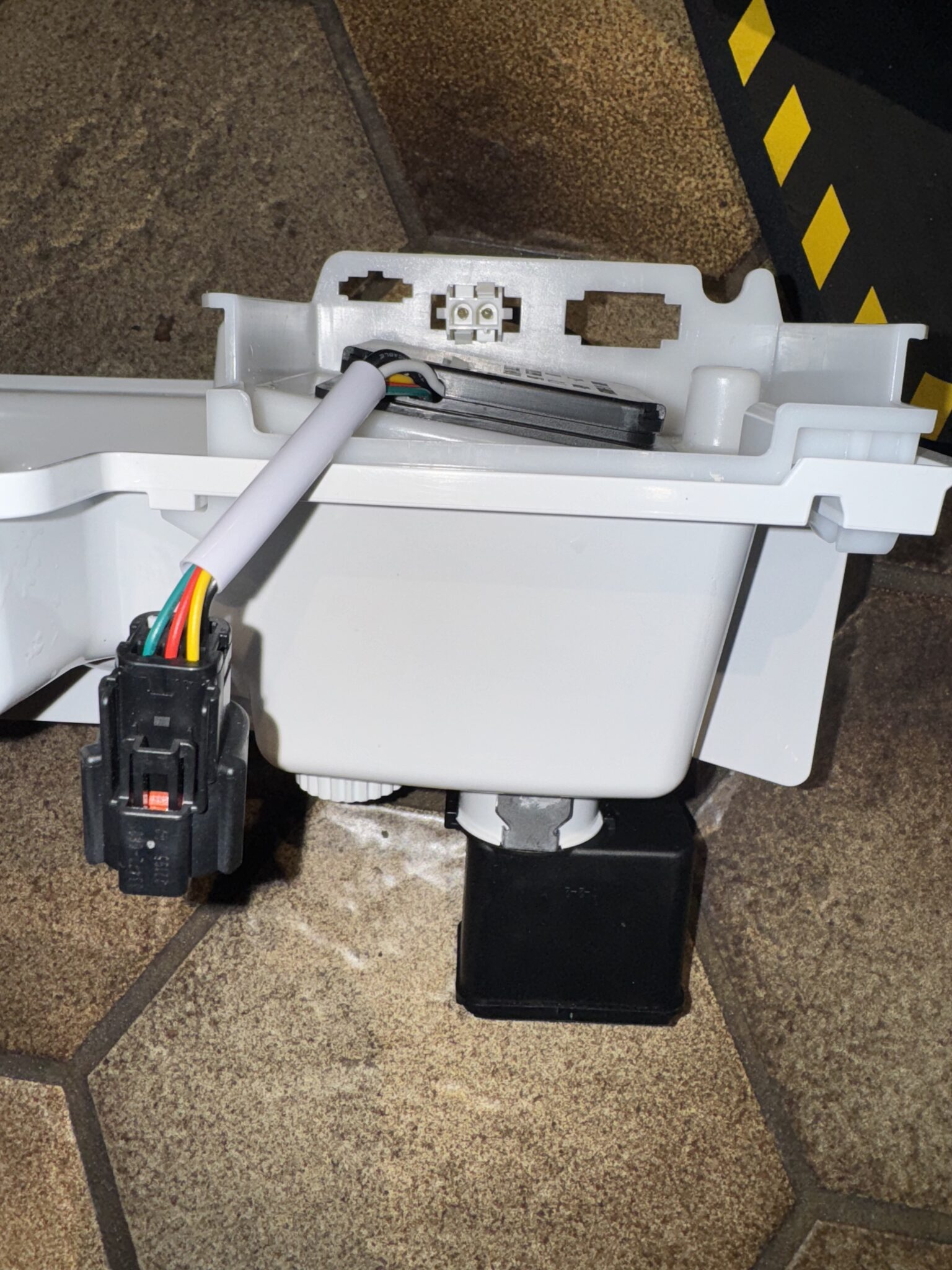
It’s a hot, sticky afternoon. You reach for a cold glass of iced tea or lemonade, press the lever on your Samsung refrigerator door, and, nothing. No ice. Maybe just a slow trickle of water, or a strange grinding sound where the ice cubes should be.
If this has happened to you recently, you’re far from alone. Every summer, repair companies see a noticeable jump in calls about ice makers and water dispensers acting up, especially once the weather turns hot and humid. There’s a simple reason for this, and understanding it can help you fix the problem faster, and maybe even prevent it next year.
This guide will walk you through, in plain and simple terms, exactly why your samsung refrigerator ice maker quit working, what you can safely check yourself, and when it’s time to call in a professional.
Why Summer Heat and Humidity Are Hard on Your Refrigerator
Your refrigerator’s job is to move heat out of the inside of the unit and release it into the surrounding air in your kitchen. This might sound simple, but here’s the catch: the hotter and more humid the air in your kitchen is, the harder your refrigerator has to work to do that job.
Think of it like trying to cool off in a swimming pool on a mild spring day compared to a sweltering August afternoon. The bigger the difference between the two temperatures, the more effort it takes. Your refrigerator faces the exact same challenge, only it can’t take a break.
During summer, several things happen at once inside your kitchen:
- Room temperatures rise, especially in kitchens near windows or with less air conditioning coverage.
- Humidity levels increase, which makes it harder for the refrigerator’s coils to release heat efficiently.
- Families tend to open the refrigerator and freezer doors more often, reaching for cold drinks, ice, and snacks.
- Ice makers are asked to produce more ice, more often, to keep up with summer demand.
All of this adds up to extra strain on your refrigerator’s cooling system, and the ice maker is often the first component to show signs of struggle.
How Your Ice Maker Works, In Simple Terms
It helps to understand, in plain language, what’s actually happening inside your freezer every time a batch of ice is made. Water flows in through a small tube from your home’s water line. It fills a small tray or mold inside the ice maker. The freezer then chills that water until it turns solid. Once frozen, a small motor tips or twists the tray, releasing the cubes into the storage bin below, and the whole cycle starts over again.
This entire process depends on one thing above all else: a consistently cold freezer temperature, typically right around zero degrees Fahrenheit. When your kitchen is hot and humid, and the freezer door is opened more often for cold drinks and popsicles, that consistency becomes harder to maintain. Even a few degrees of temperature drift can slow down or stop ice production altogether.
Once you understand this simple cycle, it becomes much easier to picture where things might be going wrong, and why summer heat plays such a big role.
Common Signs Your Ice Maker Is Struggling
Before an ice maker stops working completely, it usually gives off a few warning signs. Here’s what to watch for:
- Ice cubes are smaller than usual, or oddly shaped.
- Ice production has slowed down significantly.
- You hear buzzing, clicking, or grinding noises but no ice comes out.
- The ice bin has frozen into one large, solid clump.
- The water dispenser is slow, weak, or has stopped working altogether.
- There’s a musty or unusual smell coming from the ice bin.
Any of these signs can point toward a simple, fixable issue, so there’s no need to panic. Let’s walk through what might be causing it.
What’s Really Going On Inside Your Refrigerator
The Water Line May Be Restricted
Ice makers rely on a small water line connected to your home’s plumbing. In hot weather, mineral buildup or a partial clog in this line can slow down or stop water flow, which means less ice, or no ice at all.
The Condenser Coils May Be Overheated
Condenser coils, usually located at the back or bottom of the refrigerator, release heat from inside the unit. When kitchen air is hot and humid, these coils have to work much harder. If they’re covered in dust or pet hair, they struggle even more, which can affect both cooling and ice production.
The Freezer Temperature May Have Drifted
If the freezer isn’t quite cold enough, usually because the door was left open a bit too long, or opened too frequently, the ice maker may not be able to freeze water properly, leading to small or clumped ice.
The Water Dispenser and Ice Maker Are Connected
Many homeowners don’t realize that ice and water problems are often related. If you’re also noticing a slow or broken samsung refrigerator water dispenser repair may be needed alongside the ice maker service, since both systems typically share the same water line and filter.
Safe, Simple Checks You Can Try First
Before calling for professional help, there are a few gentle, low-risk steps you can try at home. None of these require tools or technical know-how.
- Check that the freezer door is closing all the way and the rubber seal isn’t damaged or loose.
- Look at the ice maker’s on and off switch or arm, sometimes it gets accidentally bumped to the off position.
- Check your water filter. Most manufacturers recommend replacing it every six months, and a clogged filter is a very common cause of slow ice or water flow.
- Give your refrigerator some breathing room. Make sure there’s a few inches of space behind and around it so air can circulate properly, especially important in summer.
- If the ice bin has one large frozen clump, this may simply mean the ice sat too long without being used. Removing the clump and giving the maker a day to reset can sometimes solve the issue.
If you’ve tried these steps and the ice maker still isn’t working properly, it’s a good sign that something more specific needs professional attention.
When It’s Time to Call for Professional Help
Some issues are simply better left to a trained technician, especially anything involving the refrigerator’s internal water valve, electrical components, or sealed cooling system. It’s time to schedule a samsung refrigerator ice maker repair or samsung refrigerator ice maker fix if you notice:
- No ice production at all for more than a day or two.
- Water leaking from inside or underneath the refrigerator.
- Unusual buzzing or clicking that continues even after checking the switch and door seal.
- The freezer itself feels warm, not just the ice maker.
- You have a samsung refrigerator double door repair need, since these larger, more complex models often have additional water and electrical connections that require professional attention.
A professional technician can safely inspect the water inlet valve, check the internal wiring, and test the sealed system, things that aren’t safe or practical to attempt on your own.
| Home Appliance Care specializes in samsung refrigerator ice maker repair and fix a refrigerator services across Northern Virginia, with fast, friendly, same-day appointments during the busiest summer months. |
A Familiar Summer Story
One homeowner in Northern Virginia recently called us during a particularly hot stretch in July. Her Samsung double door refrigerator had been working fine all spring, but once temperatures climbed into the 90s, the ice maker slowed to a trickle, and within a few days, stopped producing ice entirely.
She had already tried the simple things: checking the switch, making sure the door closed properly, even unplugging the refrigerator overnight to see if it would reset. When our technician arrived, the issue turned out to be a combination of two things, a partially clogged water filter and condenser coils that hadn’t been cleaned in a few years. Once both were addressed, the ice maker was back to producing a full batch within twenty-four hours.
Her story is a common one. Often, it isn’t one dramatic failure, but a few small, manageable issues that add up during the most demanding months of the year. The good news is that once identified, these issues are usually quick and affordable to resolve.
Simple Ways to Protect Your Refrigerator This Summer
A little bit of care now can go a long way toward keeping your refrigerator, and your ice maker, running smoothly through the hottest months of the year.
- Clean the condenser coils once or twice a year, more often if you have pets.
- Replace the water filter on schedule, even if the water still tastes fine.
- Try to keep your kitchen a few degrees cooler with fans or air conditioning, especially near the refrigerator.
- Avoid leaving the freezer door open longer than necessary, especially during hot afternoons.
- Give your refrigerator a little breathing room from the wall for proper airflow.
These small habits can help reduce strain on the whole system, not just the ice maker, and may help you avoid a repair call altogether.
Stay Cool and Stocked with Ice All Summer Long
A refrigerator that won’t make ice can be more than just an inconvenience, it can be a sign that your appliance needs a little extra care during the hottest, most humid months of the year. The good news is that most of these issues are quick and affordable to fix, especially when caught early.
If your Samsung refrigerator’s ice maker or water dispenser isn’t working the way it should, our friendly, experienced team at Home Appliance Care is here to help. We proudly serve homeowners across Northern Virginia with honest pricing, clear explanations, and fast, same-day service whenever possible.
Frequently Asked Questions
Higher kitchen temperatures and humidity make it harder for your refrigerator to release heat, which puts extra strain on the ice-making process specifically, since it requires the coldest, most consistent temperatures in the entire unit.
A little bit of shrinkage from more frequent door openings is normal. However, consistently small or hollow cubes can be a sign that the freezer temperature has drifted and may be worth having checked.
Simple issues, like a clogged filter or an accidentally switched-off ice maker, are safe for most homeowners to check. However, anything involving water lines, valves, or electrical parts is best left to a trained technician for safety and to protect your warranty.
Not under normal use. Ice makers are built to cycle regularly throughout the day. However, during especially hot weeks, it’s helpful to give the system a little grace, avoid demanding large amounts of ice all at once, and allow it steady time to refreeze between uses.
If you’ll be away for more than a week or two, it’s a reasonable idea to switch off the ice maker and empty the bin, especially in summer, to prevent the cubes from clumping together into one solid block by the time you return.