
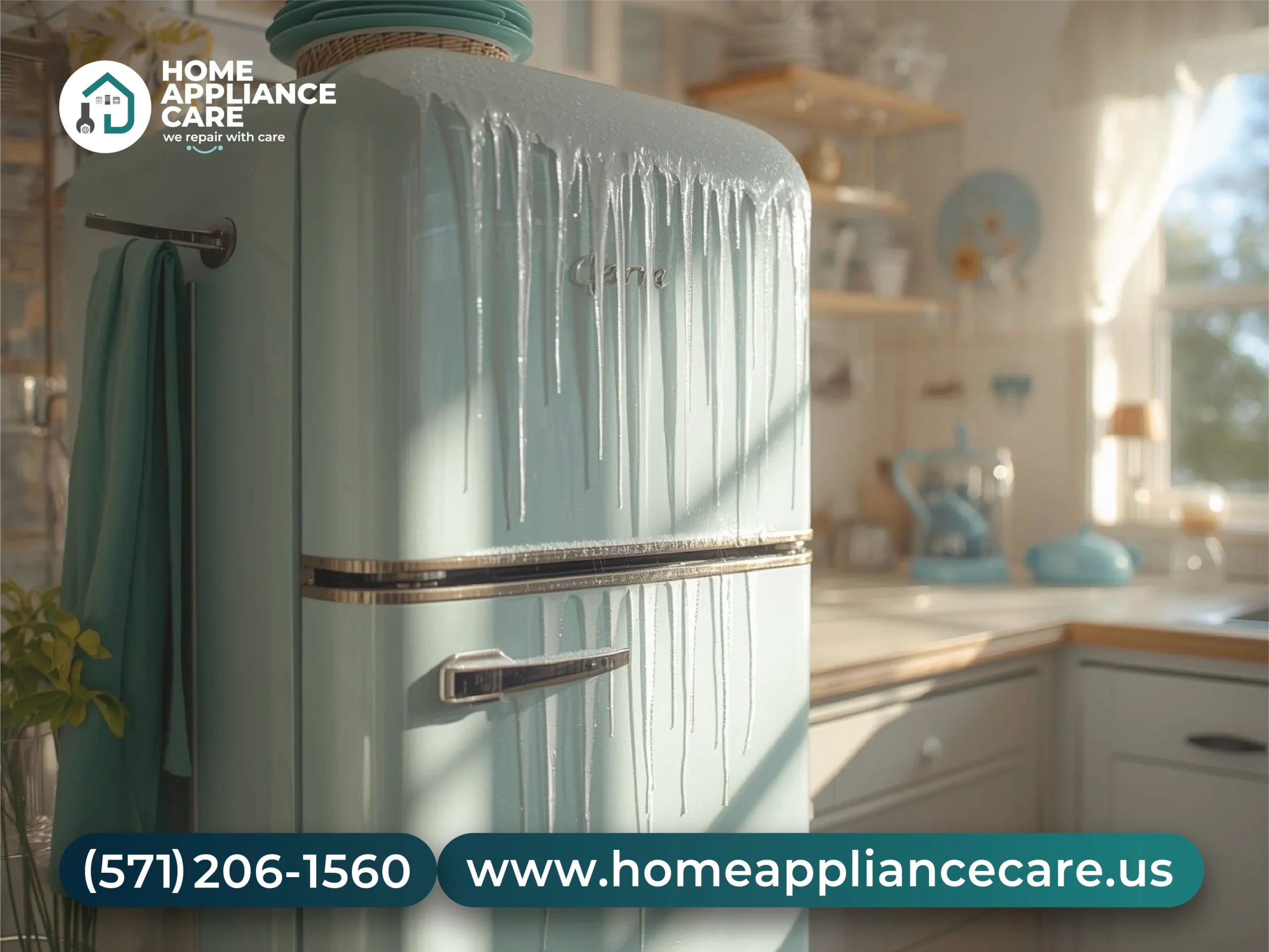
Is Refrigerator Is Too Cold!
A colder fridge isn’t a better fridge. When your refrigerator is set too cold, it wastes energy and quietly damages your food.
Why Overcooling Is a Problem
- Higher energy bills: Lower temperatures force the compressor to run longer.
- Frozen fresh food: Produce, dairy, and leftovers can partially freeze and lose texture.
- Faster food spoilage: Freezing and thawing break down food structure, causing moisture loss and taste changes.
The Right Temperature Settings
- Refrigerator: 3–4°C (37–40°F)
- Freezer: –18°C (0°F)
These temperatures keep food safe without overworking the appliance.
Simple Fixes
- Use a fridge thermometer to check the actual temperature.
- Avoid blocking air vents with food.
- Don’t overload or leave large empty spaces—both affect airflow.
- Adjust settings and recheck after 24 hours.